
Articles
Shopping Tips


We offer many varieties of garlic for sale with shipment late in the summer/early in autumn each year (order early…in June or July or early August…to ensure we don’t run out of your favorite kinds!). Order online for your convenience & get free shipping via our main site.
- Harvest begins in July
- We do allow some pre-orders each year, but will limit them to ensure we harvest enough of each variety. Even with conservative estimating, we can run short on garlic if weather causes a problem.
- Shipping typically begins in August or September, after the garlic cures/dries.
- Please unpack your garlic the same day it arrives so it can “breathe.”
- If you experience any problems with the shopping cart please email me to order pdfarms@live.com
All garlic seed for sale includes free shipping & is grown on our small micro farm in Elgin Oregon – Greifs Gourmet Garlic!
Customers placing orders via the shopping cart should receive an e-mail at the time the order is shipped.
Upon receipt, please open your garlic immediately and store in a cool, dry place until planting.
Timing of shipping varies with harvest dates, drying times, and other factors.
Insurance or Signature Confirmation Deliveries are Possible, but Not Currently Included in the Shipping Fee.
If you want insurance to cover your package, contact us. This is not included in the shipping fee. We can easily bill you for the amount necessary to cover insurance.
“What Kind of Garlic Should I Buy?”
This is a common question we hear from our friends and customers. There are many varieties, and amazingly, they really do differ! Some are mild, some are very flavorful, some are hot and spicy. A few varieties seem to be our favorites for roasting, and a few are great minced/crushed and eaten raw and fresh on salads. Hardnecks, softnecks…it can be confusing!
New to our site this year is a “Garlic Variety Picker” page that we developed to help you choose which varieties are best for you. Click here to use the tool.
“How Much Garlic Should I Buy?”
Because we have access to fresh garlic and its superior flavor, we have increased our garlic use exponentially in recent years! We think this happens with our customers as well.
The real garlic flavor of fresh, home-grown garlic is so much better than what comes from store-bought powdered garlic or the old garlic purchased in stores’ produce sections and from bottles…fresh garlic flavor and aroma are addicting as well as healthy! We use garlic (roasted, minced fresh, minced frozen, minced dried, powdered from last year’s crop, etc.) almost every day. It goes in homemade bread, casseroles, dips, in almost all main dishes, and more.
A sound suggestion would be “don’t short yourself.”
- For example, if you used 2 cloves per day on average, that would mean you need to raise over 700 cloves per year, or around 70-90 garlic bulbs. Depending upon the variety and the size, you should order 5 to 11 pounds of garlic to plant.
- If you sell at Farmer’s Markets, be prepared. These large, fresh, flavorful bulbs from your garlic patch will sell better than hotcakes!
And don’t forget to grow a little extra to share with family and friends… 🙂
For Larger Planting Areas
Under construction 9/2/2010
(Length of Rows) x (2 to 4 seeds per foot) x (Number of Rows) / (# of Seeds Per Pound) = Pounds Needed
Note that the # of Seeds Per Pound will always be an estimate due to variances in bulb sizes, bulbs per pound, and seeds per bulb…and therefore, seeds per pound.
BREAKING DOWN THE NUMBERS
1. Number of Seeds per Row: Multiply the length of your row by 2, as you will probably plant one seed every 5 to 6 inches. However, some sources suggest 3 to 5 inches for spacing, so adjust this number as per your preferred spacing. If you space your garlic every 3 inches, you should use the number “4” in the equation, for example.
2. Number of Rows: Some people plant a single row, with a 2 or 3 foot gap between each row (to allow for mulch or tilling for weed control). Others plant two rows a few inches apart, and then a 2 or 3 foot gap. Still others will plant in more of a “bed” type situation, with 6 or 8 rows close together, and then a 2 or 3 foot gap between. Decide what will work best for your situation, and determine the number of rows you will have.
3. Total Number of Seeds Needed: Determine how many seeds you will need for the length or your rows, and multiply by the number of rows you will fit into your area. For example, a 100′ row would have 200 or more seeds if they were spaced 5 to 6″ apart. If you have 100′-long rows, and have 10 rows, then you would need 100 x 2 x 10 = 2000 seeds (length of row times seeds per foot times number of rows).
4. Calculate the Number of Pounds Needed: After calculating your seed needs in terms of numbers comes the tricky part, because the differing varieties have different numbers of cloves in each pound of seed. For example, some garlics have 4 seeds per bulb, while others have 20 or more seeds per bulb. Also, one variety might average 8 bulbs in a pound of large-sized garlic, while another might average 6 bulbs per pound, and another might require 12 bulbs to make a pound. Medium-sized garlic might have around 18 bulbs per pound. Once you decide on a variety, you can calculate seeds based upon those varieties’ average clove numbers per bulb and average bulbs per pound.
EXAMPLES
Using Music and Lorz as examples, and assuming a 6″ spacing:
Estimating Music:
- Approximately 5 cloves per bulb, ~8 bulbs per pound equals 40 cloves per pound (cloves x bulbs per pound).
- (your total number of cloves needed) divided by 40 equals how many pounds of Music you would need.
- A 100′ row would require approximately 5 pounds of Music if planted 6″ apart.
- Math: 100 x 2 seeds per foot = 200 seeds needed. 200 % 40 seeds per pound = 5 pounds of seed.
Estimating Lorz Italian:
- ~10 to 18 cloves per bulb, but using 10 to estimate (planting the larger cloves helps result in a larger-bulbed harvest), ~8 bulbs per pound equals 80 cloves per pound.
- (your total number of cloves needed) divided by 80 equals how many pounds of Lorz Italian you would need.
- A 100′ row would require approximately 2.5 pounds of Lorz if planted 6″ apart.
- Math: 100 feet x 2 seeds per foot = 200 seeds needed. 200 % 80 seeds per pound = 2.5 pounds.
Planting a 4″ spacing (3 seeds per foot) within the row would result in different seed needs:
Estimating Music:
- Approximately 5 cloves per bulb, ~8 bulbs per pound equals 40 cloves per pound (cloves x bulbs per pound).
- (your total number of cloves needed) divided by 40 equals how many pounds of Music you would need.
- A 100′ row would require approximately 7.5 pounds of Music if planted 4″ apart.
- Math: 100 x 3 seeds per foot = 300 seeds needed. 300 % 40 seeds per pound = 7.5 pounds of seed.
Estimating Lorz Italian:
- ~10 to 18 cloves per bulb, but using 10 to estimate (planting the larger cloves helps result in a larger-bulbed harvest), ~8 bulbs per pound equals 80 cloves per pound.
- (your total number of cloves needed) divided by 80 equals how many pounds of Lorz Italian you would need.
- A 100′ row would require approximately 4 pounds of Lorz if planted 4″ apart.
- Math: 100 feet x 3 seeds per foot = 300 seeds needed. 300 % 80 seeds per pound = 4 pounds.
Estimate of Seeds/Pound
Based upon an average from variety descriptions.

Which Size Should You Buy?
Garlic varieties can vary quite a bit in size. For example, Elephant Garlic bulbs can reach sizes between baseball and softball dimensions in your garden. See individual descriptions on our Garlic Varieties page for more about how the varieties differ in size.
For example, let’s look at one variety, such as German Red. Each year, German Red (and all varieties) has some huge bulbs, some medium bulbs, and a few small bulbs.
The largest of bulbs are obviously our “top grade,”
but the medium-sized bulbs are still awesome garlic!
A comparison of bulb size and weight, using German Red as an example.
On the left is one pound of German Red, average-sized bulbs.
On the right is one pound of German Red, large-sized bulbs.

- The largest bulbs in each variety are recommended for planting if you want your garden’s harvest to consist of really large bulbs with large cloves. The larger bulbs are generally over 2″ in diameter, although some are 3″ (depending upon variety). An example of large-sized bulbs is the grouping on the right in the photo above.
- Average-sized bulbs (generally up to 2″ in diameter) are economical for those wanting more cloves (because our garlic is sold by weight, and not by the number of the bulbs or cloves). If you want to plant in your garden with the harvest consisting of average-sized to large-sized bulbs, the smaller-sized bulbs may be better for you. An example of smaller (average-sized) bulbs is the grouping on the left in the photo above.
- Small-sized bulbs are the ones we eat here at home, as well as the average sizes. We do not typically offer the small bulbs for sale.
Our varieties are generally available in two sizes each year (the shopping cart allows you to select a size): Large and Medium.

Welcome, history enthusiasts and curious minds, to a journey back in time as we delve into the captivating tale of Falaba. This story is not just about a ship; it’s about bravery, tragedy, and the indomitable spirit that echoes through the annals of history. Join us as we uncover the beauty and sorrow intertwined in the legacy of Falaba, a name that resonates with both triumph and heartache. Let’s embark on this voyage together to explore a hidden gem of historical significance – Falaba.
Background
In the vast tapestry of World War I history, there emerges a poignant chapter marked by the RMS Falaba. Against the backdrop of conflict and chaos, this vessel played a role that would etch its name in the annals of time. The year was 1915, a period fraught with tension and uncertainty as nations clashed in a battle for supremacy.
Amidst this tumultuous era, Leon Thrasher’s legacy intertwined with Falaba’s fate to create a narrative that transcends mere events – it embodies the resilience and tragedy of war-torn times.
Leon Thrasher
Leon Thrasher was a brave soul whose story is intertwined with the tragic events surrounding the RMS Falaba. His name may not be as well-known as some others, but his actions speak volumes about his character. Born in an era of turmoil, Leon found himself caught up in circumstances beyond his control.
As fate would have it, Leon’s path crossed with that of the ill-fated vessel, forever changing the course of history and leaving a mark on those who bore witness to his courage. Though shrouded in mystery, Leon Thrasher’s legacy lives on through the tales of heroism and sacrifice that echo through time.
Falaba
In the midst of historical events that shaped our world, one name stands out – Falaba. This small town holds a significant place in the annals of history, with a tale as intriguing as it is tragic.
From its serene beginnings to the devastating aftermath, Falaba’s story unfolds like pages from a gripping novel. The events surrounding R.M.S. Falaba and its sinking on March 28, 1915, shed light on the human cost of conflicts and remind us of the resilience found in even the most challenging times.
Aftermath
The aftermath of the tragic sinking of the RMS Falaba on 28 March 1915 left a profound impact on all those involved. Families were shattered, lives were forever changed, and the world was reminded of the harsh realities of war. The loss of innocent lives aboard the Falaba serves as a stark reminder of the devastating consequences of conflict and highlights the importance of striving for peace and understanding in our global community.
As we delve into the history surrounding Falaba, it becomes evident that even amidst destruction, there are stories to be told – tales that serve as poignant reminders of our shared humanity and the resilience that emerges from tragedy.
Information
Information about Falaba is not widely known, but it is a story worth discovering. The sinking of RMS Falaba on 28 March 1915 during World War I holds historical significance. This tragic event sheds light on the bravery and sacrifice of those onboard.
Exploring articles related to the R.M.S. Falaba unveils a narrative that captivates with its tales of heroism and tragedy. Delving into the history behind this maritime disaster reveals a deeper understanding of the impact it had on both individuals and nations involved in World War I.
World War I Articles
World War I was a time of great upheaval and tragedy, with stories that still resonate today. The articles documenting this era provide a window into the past, sharing tales of heroism, loss, and resilience amidst chaos.
From accounts of battles fought in far-off lands to personal narratives of those affected by the war’s devastation, these articles offer a glimpse into the human experience during one of history’s most turbulent periods. Explore these poignant accounts to gain a deeper understanding of the impact World War I had on individuals and societies around the globe.
The Sinking of the RMS Falaba, 28 March 1915.
On the fateful day of March 28, 1915, the RMS Falaba met its tragic end amidst turmoil at sea. The vessel was carrying passengers and cargo when it was targeted by a German U-boat during World War I. The sinking of this ship marked a significant event in maritime history, leaving behind tales of bravery and tragedy.
The sinking of the RMS Falaba serves as a somber reminder of the harsh realities faced during wartime naval conflicts.
The Story of the FALABA
The story of the FALABA is a poignant tale woven into the fabric of history. This vessel, significant in its own right, holds a narrative that transcends time and touches hearts across generations. The echoes of this event resonate to this day, reminding us of the fragility of life and the enduring impact of conflict on humanity.
History
The history of Falaba dates back to the early 20th century when it was a bustling port city in West Africa. It played a crucial role in trade and commerce, attracting merchants from far and wide seeking riches and opportunities.
Over time, Falaba became known for its vibrant markets, cultural diversity, and rich heritage. The town flourished until it faced tragic events that changed its destiny forever. This historical background sets the stage for understanding the significance of Falaba in the context of World War I.
Destruction
The destruction that befell the RMS Falaba was a tragic event that left a lasting mark on history. The sinking of this vessel not only resulted in the loss of lives but also symbolized the harsh reality of war and its devastating consequences. As the ship met its demise, it brought to light the fragility of human life amidst the chaos of conflict.
The wreckage serves as a somber reminder of the destructive power unleashed during wartime, where innocent civilians often bear the brunt of senseless violence. Despite fading from memory for some, the legacy of destruction left by such events continues to resonate through time.
R.M.S. Falaba
The R.M.S. Falaba holds a significant place in history for its tragic fate during World War I. Sailing on the 28th of March, 1915, it met its untimely end due to a German U-boat attack. The sinking of the Falaba resulted in the loss of many lives and highlighted the dangers faced by civilian ships during wartime.
Falaba serves as a reminder of the human cost of war and the vulnerability of innocent civilians caught in conflicts beyond their control.
Conclusion
Explore the rich history and tragic fate of the RMS Falaba, a vessel that became a symbol of sacrifice during World War I. From its connection to Leon Thrasher to its untimely sinking on March 28, 1915, the story of Falaba is one that deserves remembrance and reflection. Discover more about this poignant chapter in maritime history and honor the lives lost aboard this ill-fated ship by learning about the beauty of Falaba beyond its tragic end. Let us never forget the lessons we can learn from such events as we continue to navigate through our own journeys today.

Are you feeling a shiver down your spine at the mere mention of a “Should I Kill a Black Widow Spider”? You’re not alone. These notorious arachnids have earned quite the reputation for their venomous bite and striking appearance. But before you reach for that shoe to squash one on sight, let’s delve into the myths and facts surrounding these eight-legged creatures. Join us as we uncover whether you should really kill a Black Widow spider or if there might be a better way to handle them.
Identifying a Black Widow Spider
Black Widow spiders are easily recognizable by their shiny black bodies and distinctive red hourglass marking on the underside of their abdomen. Females are larger than males, with bodies measuring about half an inch in length. Their webs are irregular and messy, often found in dark, secluded areas like garages, sheds, or woodpiles. When identifying a Black Widow spider, remember that they prefer to hide rather than confront humans.
Keep an eye out for these telltale signs to spot a Black Widow spider lurking nearby. Familiarizing yourself with their appearance can help you take appropriate precautions if you come across one in your home or yard.
Black Widow Spider Bites
Black Widow Spider Bites can be a cause for concern due to the venom they inject when biting humans. These bites are often sharp and painful, with symptoms ranging from redness and swelling to muscle cramps and nausea. While most healthy adults may not experience severe reactions, children, the elderly, or individuals with compromised immune systems are at higher risk of complications. It’s essential to seek medical attention if bitten by a Black Widow Spider to receive proper treatment and prevent any potential complications that may arise from the venom.
Where Are Black Widows Commonly Found?
Black widow spiders are often found in dark, secluded areas such as sheds, garages, and basements. They prefer hiding spots close to the ground where they can easily build their webs and catch prey. Outdoor spaces like woodpiles, rock piles, and dense vegetation also provide ideal habitats for black widows to thrive.
In warmer climates, black widows can be commonly found in undisturbed outdoor structures or debris piles. It’s essential to remain cautious when working around these areas to avoid accidental encounters with these venomous arachnids.
How to Get Rid of Black Widow Spiders (Safely)
If you’re dealing with black widow spiders in your home, it’s essential to address the issue promptly and safely. To get rid of these potentially dangerous pests, start by decluttering and organizing your space. Seal up cracks and crevices where they may enter, and use a vacuum to remove webs and egg sacs. Be cautious when handling items in dark or secluded areas as that’s where they like to hide.
Consider using natural remedies like diatomaceous earth or essential oils known for repelling spiders. If the infestation persists, contact a professional pest control service for effective removal without putting yourself at risk.
Black Widow Prevention
Preventing black widow spiders from entering your home starts with keeping a tidy environment. Regularly clean and declutter to eliminate hiding spots. Seal cracks and crevices around doors, windows, and utility entry points to block their access. Outdoor lighting can attract insects that black widows feed on, so consider using yellow bulbs instead of white ones. Keep vegetation trimmed away from the house to reduce potential nesting sites.
Being proactive in maintaining a clean and well-sealed home can significantly reduce the chances of encountering black widow spiders indoors. Simple steps like these can create an inhospitable environment for these venomous arachnids, helping to keep you and your family safe from potential bites.
Professional Black Widow Control
When facing a black widow infestation, seeking professional help is often the best course of action. Pest control experts have the knowledge and tools to safely remove these dangerous spiders from your home. They can identify entry points, locate nests, and implement effective eradication methods tailored to your specific situation.
Professional black widow control services not only eliminate current infestations but also provide long-term prevention strategies to keep these venomous spiders at bay. By enlisting the expertise of professionals, you can ensure a thorough and safe removal process for your peace of mind.
Busting Black Widow Spider Myths
There are plenty of myths surrounding black widow spiders that can make them seem scarier than they actually are. One common myth is that their bites are deadly, but the truth is that fatalities from black widow bites are extremely rare. Another misconception is that these spiders are aggressive and will attack humans without provocation, which is not true.
Additionally, many believe that a black widow bite will result in excruciating pain, but most people only experience mild symptoms. It’s important to separate fact from fiction when it comes to these arachnids to avoid unnecessary fear or harm.
Myth: Black Widow Bites Are Deadly
Black Widow spiders have a fearsome reputation, with one common myth being that their bites are deadly. While it’s true that Black Widow venom is potent, fatal outcomes from their bites are extremely rare. Most healthy adults will experience painful symptoms but recover without serious complications.
In reality, only a small percentage of Black Widow bite cases result in severe reactions, and fatalities are even rarer. It’s crucial to seek medical attention if bitten to manage symptoms effectively and prevent any potential complications.
Myth: Black Widow Spiders Are Aggressive
One common myth about black widow spiders is that they are aggressive creatures ready to attack at any moment. However, the truth is quite different. Black widows are actually shy and reclusive by nature, preferring to stay hidden rather than confront humans.
These spiders only bite when they feel threatened or cornered, such as when someone accidentally disturbs their web or habitat. In most cases, they will retreat and try to avoid human contact altogether. So next time you spot a black widow in your home, remember that they are more likely to flee than come after you aggressively!
Myth: Bites From Black Widow Spiders Are Excruciating
One common myth about black widow spiders is that their bites are excruciatingly painful. While it’s true that the venom of a black widow can cause discomfort, not all bites result in intense pain. In fact, many people may not even realize they have been bitten until symptoms appear.
The severity of a black widow bite can vary depending on factors like the individual’s health and where the bite occurred. It’s important to seek medical attention if you suspect you’ve been bitten by a black widow spider to receive proper care and treatment.
What’s The Truth?
The truth about “Should I Kill a Black Widow Spider” is that while their bites can be harmful, they are rarely life-threatening. These spiders are shy and prefer to flee rather than attack, making them less aggressive than popularly believed.
Contrary to common misconceptions, not all Black Widow bites result in excruciating pain. In fact, many victims may only experience mild symptoms similar to a bee sting. Understanding the facts behind these creatures can help dispel unnecessary fear and encourage more humane approaches to managing their presence.
How Dangerous Are Black Widow Spiders?
Black widow spiders are known for their venomous bite, containing a neurotoxin that can be harmful to humans. While fatalities from black widow bites are rare, the symptoms can be severe and may require medical attention. It’s essential to recognize the signs of a black widow bite, such as muscle cramps, abdominal pain, and sweating.
Although most healthy adults will recover from a black widow bite with proper treatment, children and individuals with compromised immune systems may experience more severe reactions. It’s crucial to exercise caution around these spiders and seek medical help if bitten.
5 Ways You’re Inviting Black Widow Spiders Into Your Home
Black widow spiders might be lurking closer to home than you think. Cluttered spaces offer cozy hiding spots for these arachnids, so tidy up those messy corners and storage areas. Outdoor lighting can attract insects, which in turn draw black widows – consider using yellow bug lights instead.
Overgrown vegetation around your home creates a spider paradise; keep shrubs trimmed and remove debris to deter them from setting up camp. Firewood stacked against the house provides easy access for black widows – store it away from the structure to limit their entry points.
Conclusion
Should I Kill a Black Widow Spider, can be concerning due to their venomous bite, it is important to remember that they are not as dangerous as commonly believed. By understanding more about these spiders, their behavior, and how to prevent them from entering your home, you can coexist with them safely. If you encounter a black widow spider, consider the facts rather than myths before deciding whether or not to eliminate it. With proper knowledge and precautions in place, you can effectively manage any potential risks associated with black widow spiders without resorting to unnecessary harm. Remember: education and prevention are key when it comes to dealing with these misunderstood arachnids.
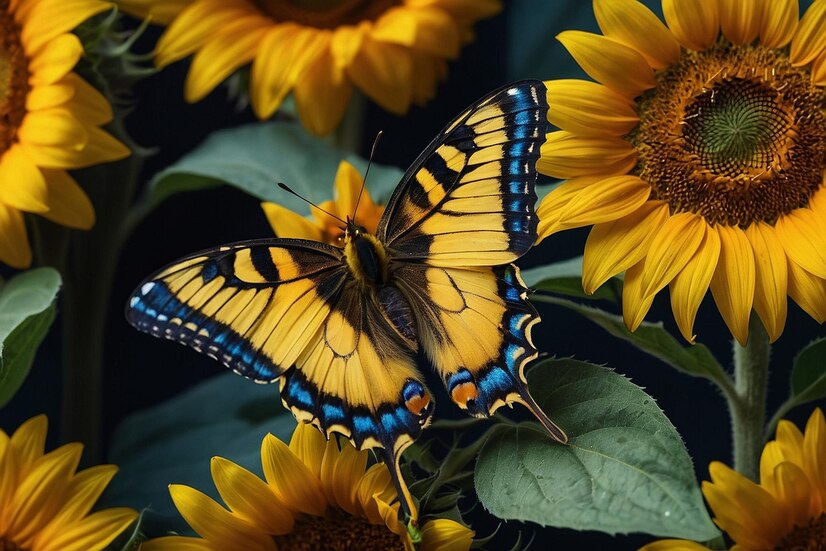
Welcome to the enchanting world of Yellow Butterflies Spiritual Meaning, where nature’s beauty intertwines with spiritual symbolism. These delicate creatures flutter gracefully through our lives, carrying messages from realms beyond our own. Join us on a journey as we unravel the hidden meanings and profound significance behind the presence of yellow butterflies in our spiritual path. Let’s delve into the mystique of these vibrant winged messengers and discover the magic they bring into our existence.
Exploring the Yellow Butterfly’s Spiritual Messages
Yellow butterflies are not just fleeting visitors in our gardens; they hold profound spiritual messages for those attuned to their whispers. Their presence often signifies a time of transformation and rebirth, urging us to embrace change with grace and optimism. As we observe these radiant creatures dance on the breeze, we are reminded of the cyclical nature of life and the importance of letting go of old patterns that no longer serve us.
In moments when we feel lost or uncertain, the yellow butterfly’s appearance acts as a gentle nudge from the universe, guiding us towards growth and new beginnings. Pay attention to these delicate messengers – their wisdom may hold the key to unlocking your spiritual journey.
Personalized Symbolism in Yellow Butterflies
One of the fascinating aspects of yellow butterflies is how their symbolism can be personalized to each individual. When you encounter a yellow butterfly, it may hold unique meanings and messages specifically tailored for you.
The way you interpret the presence of these vibrant creatures in your life can reflect your own inner thoughts, emotions, and desires. Pay attention to what resonates with you when connecting with the energy of yellow butterflies – it might reveal deeper insights into your spiritual journey.
Ancient Cultural Beliefs
Ancient civilizations across the globe held profound beliefs about yellow butterflies. In many cultures, these delicate creatures were seen as messengers from the spirit world, bringing guidance and wisdom to those who encountered them.
From Native American tribes to Asian societies, the presence of a yellow butterfly was often interpreted as a symbol of transformation and renewal. These ancient cultural beliefs remind us of the interconnectedness between nature, spirituality, and our own journey through life.
Significance of the Color Yellow
Yellow, the color of sunshine and happiness, holds a special significance in various cultures and spiritual practices. It symbolizes joy, optimism, and enlightenment. In psychology, yellow is associated with energy and intellect, stimulating mental activity and enhancing creativity.
In spirituality, the color yellow represents wisdom, clarity of thought, and spiritual growth. Yellow encourages positivity and warmth in our lives, bringing a sense of vitality that uplifts our spirits.
Guidance from Spiritual Entities
Ever felt a gentle flutter of wings in your soul, guiding you towards a path unknown? Yellow butterflies are believed to carry messages from spiritual realms, offering insights and wisdom beyond the physical realm. These ethereal beings serve as messengers of hope, reminding us to trust our intuition and seek guidance from higher powers.
When a yellow butterfly crosses your path, it may be a sign to pause, reflect, and listen to the whispers of the universe. Embrace the subtle nudges from spiritual entities as they lead you towards enlightenment and spiritual growth.
Connecting with the Energy of Yellow Butterflies
Yellow butterflies carry a unique energy that resonates with the vibrancy and positivity of the color yellow. When you connect with their energy, you may feel uplifted and inspired by their presence. It’s as if they are whispering messages of joy and transformation to your soul, guiding you towards embracing change and growth in your life.
Take a moment to observe these delicate creatures fluttering around, allowing their graceful movements to fill you with a sense of lightness and freedom. By tuning into the energy of yellow butterflies, you can open yourself up to new possibilities and experiences that align with your highest good.
Understanding Various Dimensions of Yellow Butterfly Symbolism
Yellow butterflies hold a deep spiritual significance beyond their vibrant hue. In the realm of love and relationships, they symbolize transformation and renewal, reminding us to embrace change with grace and openness.
In terms of health and wellness, the presence of yellow butterflies can signify healing and vitality, urging us to prioritize self-care and well-being. Each fluttering wing carries a message of joy and positivity, encouraging us to find beauty in every moment.
Love and Relationships
Love and relationships hold a special place in our lives, much like the delicate beauty of yellow butterflies. These vibrant creatures symbolize transformation and joy, mirroring the ever-evolving dynamics of love. Just as a yellow butterfly emerges from its cocoon, love blossoms into something beautiful when nurtured with care and understanding.
The symbolism of yellow butterflies in love reminds us to embrace growth, change, and renewal within our relationships. Like these graceful insects fluttering freely, may love take flight in our hearts with lightness and grace.
Health and Wellness
Yellow butterflies hold a deeper meaning beyond their vibrant appearance. In terms of health and wellness, these delicate creatures symbolize transformation and renewal. Just like the butterfly emerges from its cocoon, we too can undergo inner healing and growth.
Their presence can serve as a gentle reminder to prioritize self-care and nurture our physical, emotional, and spiritual well-being. Let these graceful beings guide us towards a state of balance and harmony within ourselves.
Types of Yellow Butterflies
When it comes to Yellow Butterflies Spiritual Meaning, there is a diverse array of species that showcase this vibrant hue in nature. Some common types include the Clouded Yellow, Sulfur Butterfly, and Tiger Swallowtail. Each type brings its unique beauty and symbolism to the spiritual world.
The Clouded Yellow butterfly, known for its pale yellow wings with dark spots, symbolizes transformation and new beginnings. On the other hand, the Sulfur Butterfly represents joy and positivity with its bright yellow coloration. The majestic Tiger Swallowtail embodies power and grace through its striking yellow and black pattern.
Embracing Joy and Vitality Through Yellow Butterflies
Yellow butterflies are often seen as symbols of joy and vitality, bringing a sense of lightness and positivity wherever they flutter. Their vibrant yellow wings radiate warmth and happiness, reminding us to embrace the beauty of life’s simple pleasures.
When we encounter a yellow butterfly, it serves as a gentle nudge from the universe to pause, breathe, and appreciate the present moment. It encourages us to let go of worries and stress, allowing ourselves to bask in the energy of joy and vitality that these graceful creatures embody.
Conclusion
Embracing the Yellow Butterflies Spiritual Meaning can bring profound spiritual insights and guidance into our lives. From personalized messages to ancient cultural beliefs, the color yellow represents joy, vitality, and enlightenment. By connecting with the energy of these beautiful creatures, we can experience a deeper understanding of love, relationships, health, and wellness.
As we observe different types of yellow butterflies fluttering gracefully around us, let us open our hearts to receive their wisdom and embrace the positive energies they symbolize. May their presence remind us to live with gratitude, optimism, and a renewed sense of purpose.
In this journey of self-discovery and spiritual growth, may the yellow butterfly’s spiritual meaning continue to inspire us to seek beauty in every moment and find transformation in even the smallest miracles. Let us spread our wings like these vibrant creatures and soar towards a life filled with lightness, happiness, and abundance.
-
 Articles1 month ago
How Many Times Can You Regrow Green Onions
-
 Articles1 month ago
WHAT IS THE DIFFERENCE BETWEEN SEED GARLIC AND FOOD GARLIC?
-

 Articles1 month ago
Garlic and Garlic Scape Recipes
-

 Articles1 month ago
HOW TO CHOOSE YOUR FAVORITE GARLIC VARIETIES?
-

 Articles1 month ago
WHAT IS THE BEST POTTING SOIL FOR HERBS?
-

 ABOUT GARLIC1 month ago
Elephant Garlic
-

 Travel4 weeks ago
Unveiling the Beauty of Paradisehill: A Traveler’s Guide
-

 Articles3 weeks ago
Discover Culinary Adventures of Intrepidfood.eu: A Foodie’s Dream